Thailand
Padel Racket Carbon Explained: 3K vs 12K vs 15K vs 18K
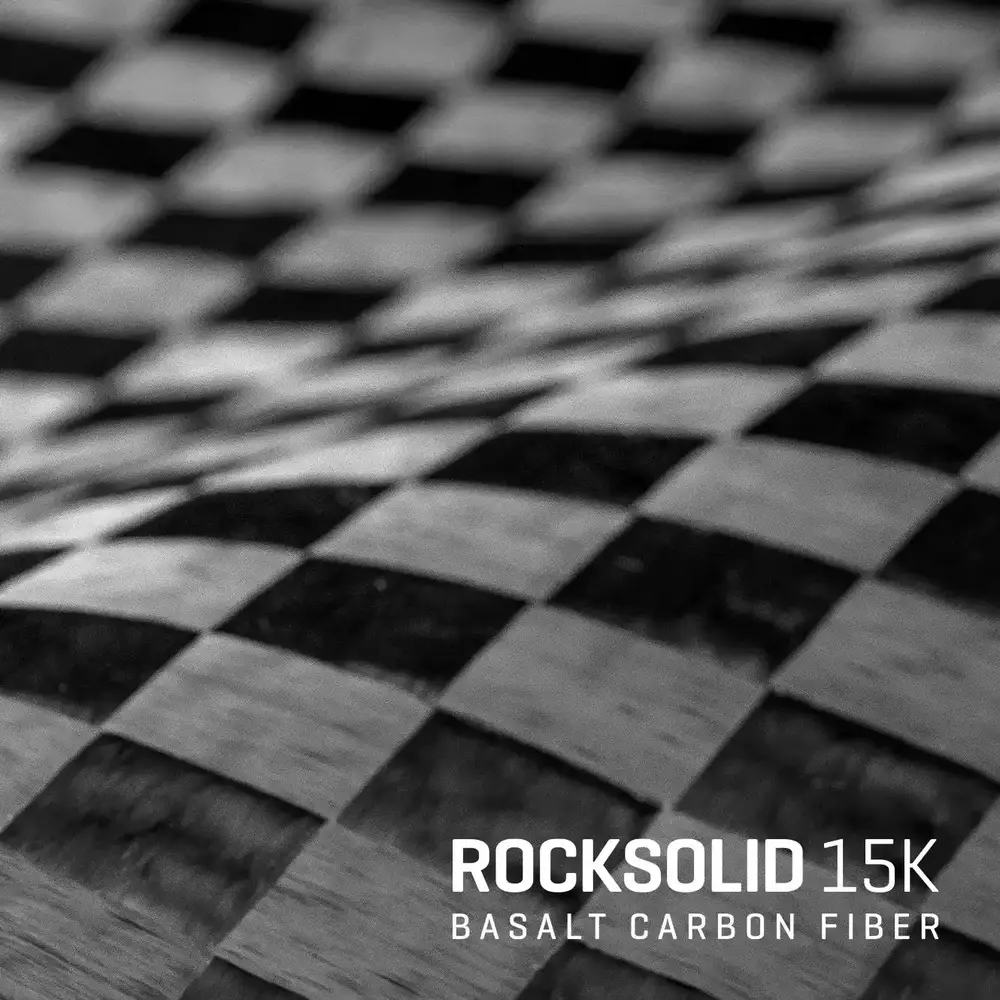
Almost every padel racket now advertises a carbon number: 3K, 12K, 15K, 18K and beyond. It is easy to assume the biggest number wins. In reality, these numbers describe how the carbon is built, not how good the racket is.
What Does the K Mean?
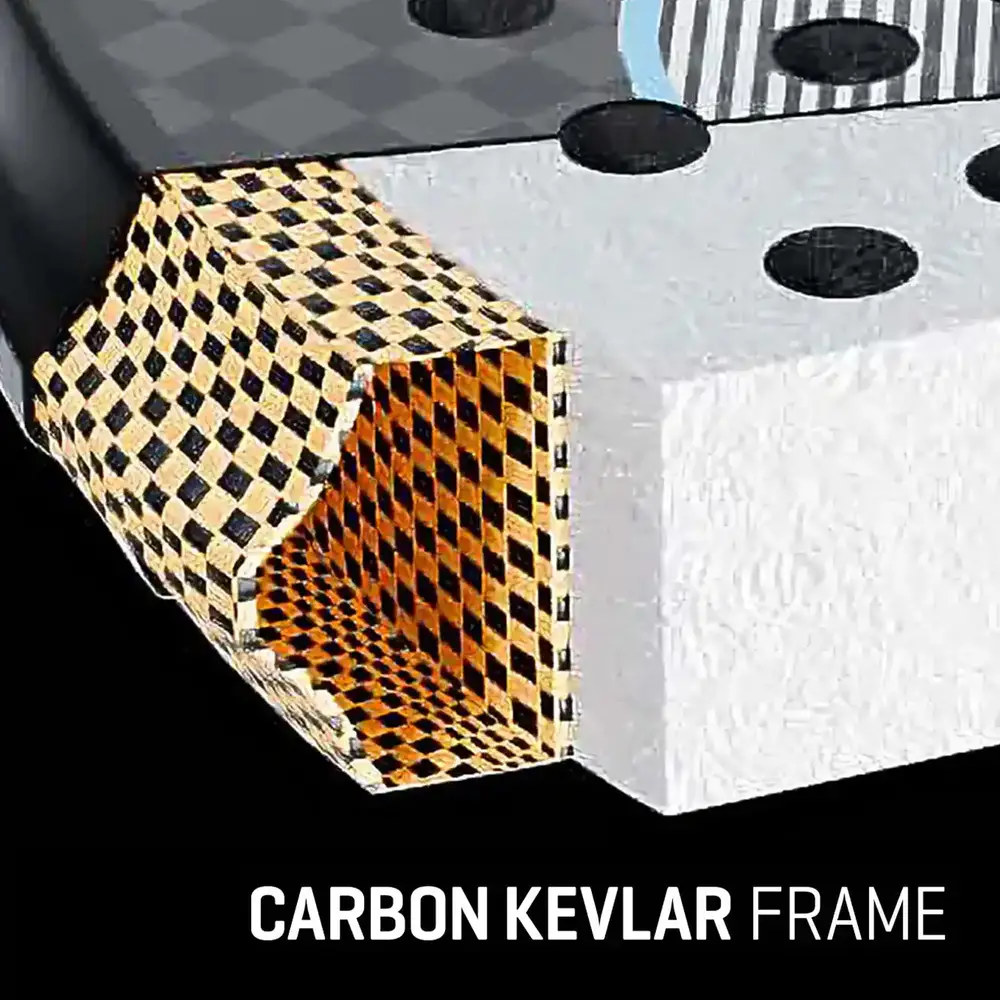
Carbon fibre is made from extremely thin filaments bundled into threads, which are then woven into sheets. The K stands for thousands of filaments per thread.
- 3K: 3,000 filaments per thread
- 12K: 12,000 filaments per thread
- 15K: 15,000 filaments per thread
- 18K: 18,000 filaments per thread
How the Carbon Number Affects Feel
| Carbon | Typical characteristics |
|---|---|
| 3K | Finer weave, generally more flexible, often associated with touch and comfort |
| 12K | Balanced stiffness and feel, widely used in performance rackets |
| 15K | Thicker threads, generally a firmer, more responsive face |
| 18K | Thicker threads again, often marketed for stiffness and power |
These are tendencies, not rules. Resin, layup, the number of layers, the foam core and the frame all change how a racket plays, often more than the carbon number itself.
Is a Higher K Better?
No. A higher number means thicker threads, which can make a face stiffer, but stiffer is not better for every player. A well-engineered 12K racket can outperform a poorly built 18K racket, and many players prefer the feel of a lower K.
When comparing rackets, look at the whole construction rather than one number on the face.
What Is Aluminised Carbon?
Aluminised carbon has a thin aluminium treatment applied to the carbon fibre. It is used to give a solid, consistent feel and to help performance stay stable across different temperatures. Our 15K Alumatrix Carbon uses this approach.
What About Fibreglass?
Fibreglass is softer and more flexible than carbon. It produces easy power and a forgiving feel, which is why it is common in beginner and junior rackets such as the Velocity Team Light and the Pallap Kids Padel Racket.
Combining Carbon Weaves
Some rackets combine two weaves to get the benefits of both. Our Dualforge carbon pairs a 3K weave with 12K or 15K carbon for energy return with a connected, refined feel.
Carbon in the Pallap Range
| Carbon | Rackets |
|---|---|
| Carbon Pura 12K CX | EvoFORCE Dark Star, Velocity Elite 2026 |
| 12K carbon | Power Team |
| 15K Carbon CX | EvoFORCE Team, Power Pro HDR |
| 15K Alumatrix Carbon | Velocity Star 2026, Power Star 2026, EvoFORCE Bright Star |
| Dualforge 15K + 3K | EvoFORCE Elite |
| Dualforge 12K + 3K | EvoFORCE Pro |
All of our carbon is made in Italy. Learn more in our guides to 15K Alumatrix Carbon and 15K Carbon CX.
Frequently Asked Questions
Is 18K carbon better than 12K?
Not necessarily. 18K uses thicker threads, which can feel stiffer, but overall racket construction matters far more than the number alone.
Is carbon better than fibreglass?
Carbon is generally stiffer, more responsive and more durable. Fibreglass is softer and more forgiving, which suits beginners and juniors.
Final Thoughts
The carbon number tells you how the fibre is built, not how good the racket is. Choose a racket for its overall feel, shape, weight and core, and let the carbon number be one detail among many.
Not sure where to start? Our racket matrix guide will help.